
Climate change and the fire service
Climate change and the fire service: challenges for fire protection
Climate change is one of the greatest threats of our time. Rising temperatures, the increase in extreme weather events and the increased risk of fire pose a serious threat to society. In this blog post, we want to look at the link between climate change and the fire service, particularly with regard to firefighting clothing.
Climate change and the increasing risk of fire
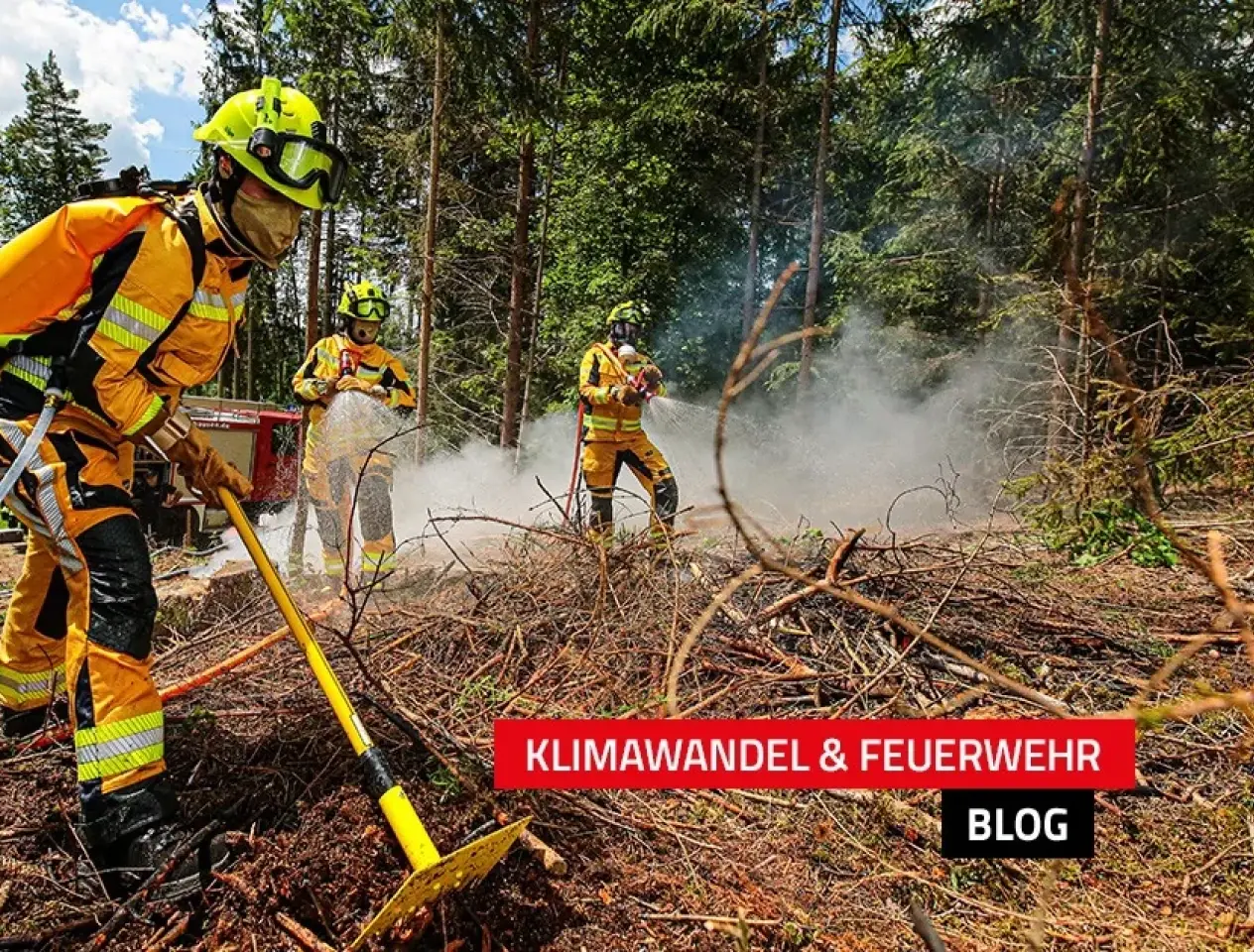
Climate change has a direct impact on the frequency and intensity of fires. Higher temperatures and longer periods of drought create ideal conditions for fires to start and spread. Forests, meadows and agricultural areas are particularly at risk. The fire service is therefore faced with the challenge of dealing with increasingly frequent and larger fires.
Fire protection clothing and climate change
Firefighters play a crucial role in extinguishing fires and protecting lives and property. In order to fulfil their duties effectively, they rely on the right equipment, especially their firefighting clothing. This specialised clothing protects firefighters from heat, flames and smoke.
However, climate change is placing new demands on fire protection clothing. The rising temperatures mean that the emergency services are exposed to even greater heat stress. Conventional protective suits must therefore be adapted to the changed conditions in order to ensure the health and safety of firefighters.
Innovative solutions for fire protection clothing
To cope with rising temperatures and increased heat stress, advances in the development of fire protection clothing are crucial. Here are some innovative approaches:
- Heat-reflective materials: advances in material technology are enabling the development of clothing that keeps heat away from the body and minimises the effects of ambient temperature.
- Breathable fabrics: The use of breathable materials reduces the build-up of heat inside protective clothing. This increases wearer comfort and reduces the risk of heat stress and dehydration.
- Integrated cooling systems: Some manufacturers are experimenting with integrated cooling systems in fire protective clothing. These systems help to keep the body temperature of firefighters at a safer level.
- Adaptable designs: Flexibility and freedom of movement are crucial for firefighters. New designs of firefighting clothing are being developed to allow firefighters greater freedom of movement while providing the necessary protection.
As a manufacturer, we are actively working to develop and provide advanced protective clothing for firefighters. We work closely with fire services to continue to ensure the protection and safety of firefighters and effectively counteract the effects of climate change on firefighting.
RANGER 2.0 HIGH-VIS
Our RANGER 2.0 HIGH-VIS appears to be a promising step towards innovative fire protection clothing that meets the requirements of climate change. This multi-norm suit is perfectly developed for many operational scenarios and fulfils numerous standards, including EN ISO 15384 (wildland/vegetation firefighting) and EN 16689 (technical assistance). The RANGER 2.0 HIGH-VIS not only offers protection against heat and flames, but also an optimised fit and high mobility to enable firefighters to perform better in difficult operational scenarios. It also offers improved visibility, which is crucial in dangerous situations.
We are proud to be part of the development of the firefighting clothing of the future and look forward to further improving the safety and efficiency of firefighting operations. Together with the fire services, we will continue to work to successfully meet the challenges of climate change and the increasing risk of fire.